

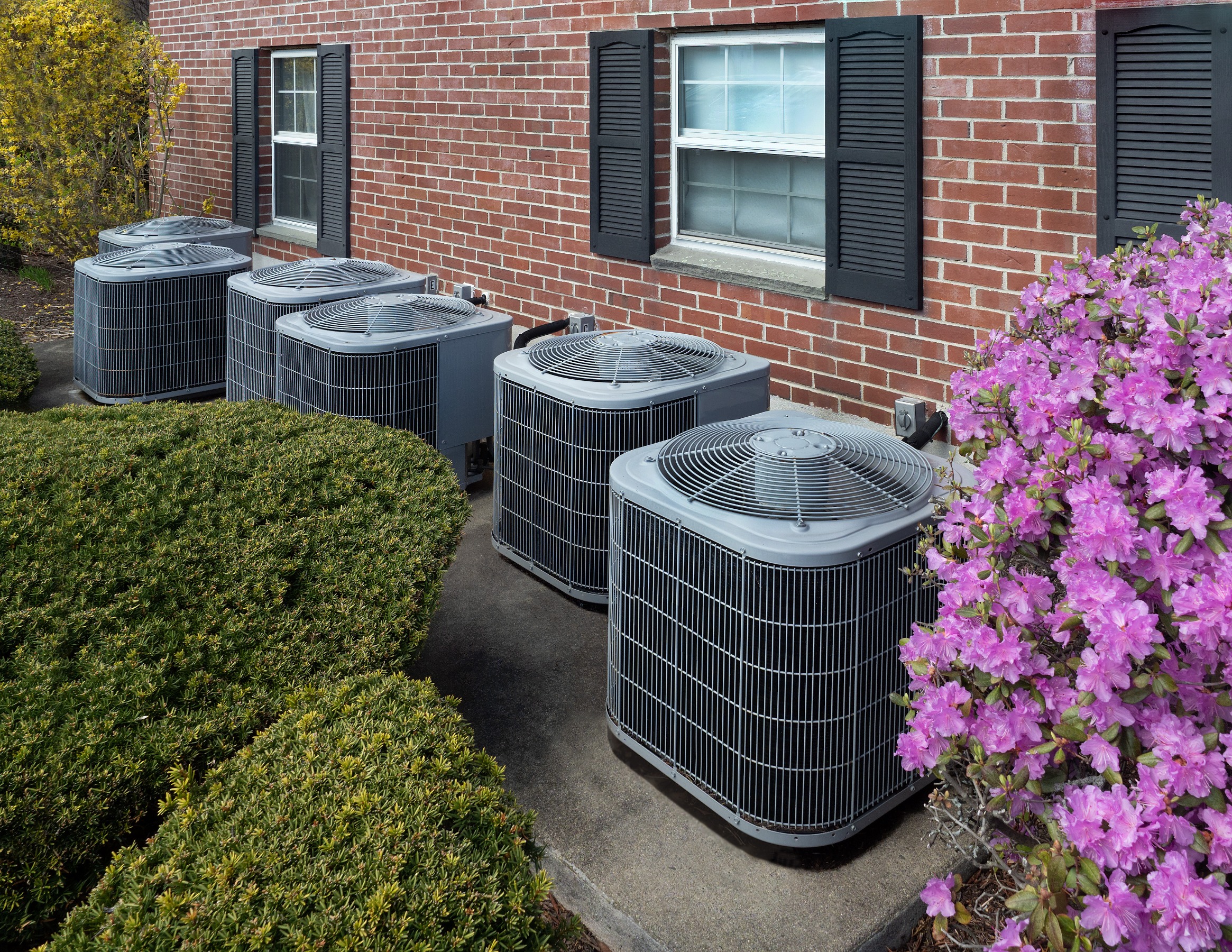
The AC refrigerant in your system is the chemical that moves heat out of your home, and knowing which type you have tells you whether your unit can still be repaired or is due for replacement. If a technician ever says your refrigerant needs to be “topped off,” be cautious. A healthy air conditioner never loses refrigerant unless it has a leak.
At Thayer Air Conditioning, we believe honest answers come before any sales pitch, so here is what every New Braunfels homeowner should understand about their AC refrigerant.
Key Points
- AC refrigerant is a heat transfer medium, not a fuel your system burns up.
- A system only loses refrigerant when it has a leak, so “topping off” is a red flag.
- Older units may use R-22 (Freon), which has been fully phased out since 2020.
- Modern systems use R-410A (Puron), which is safer and more efficient.
- An R-22 system with a leak cannot be recharged and should be replaced.
What Does AC Refrigerant Actually Do?
Refrigerant is a heat transfer medium, not an energy source. Your air conditioner does not consume it as it runs, so the same amount of refrigerant, known as the AC’s charge, stays in the system for its entire lifespan unless there is a leak. That is why any so-called technician who tells you your AC simply needs its refrigerant “topped off” should give you pause. You only need more refrigerant when the system is leaking, and the honest fix is to repair the leak, not refill it. If you suspect a leak, our team handles professional AC repair the straightforward way.
What Is R-22 (Freon) and Why Was It Phased Out?
R-22 is an older refrigerant blend that was phased out for damaging the ozone layer. For decades, the blend used in residential and commercial air conditioning was R-22, a hydrochlorofluorocarbon (HCFC) also known by the brand name Freon. That name causes confusion, because “freon” gets used for almost any refrigerant even though capital-F Freon refers only to a specific range of hydrochlorofluorocarbons.
When ozone-depleting substances became a concern in the 1990s, R-22 was identified as a major source. The US began a gradual phase-out in 2004, production of R-22 air conditioners ended in 2010, and R-22 production itself stopped in 2015. The phase-out was completed in 2020, so the remaining stockpiles of R-22 can no longer be counted on to recharge a leaking system. According to the U.S. Environmental Protection Agency, this class of refrigerant is now fully retired.
What Is R-410A, the Refrigerant That Replaced R-22?
R-410A, sold under the brand name Puron, is the modern refrigerant that replaced R-22 in today’s systems. It creates no ozone-depleting emissions, is non-flammable, is less toxic than R-22, and absorbs and releases more heat for better cooling capacity. It also runs at a different pressure than R-22, so an older unit cannot be converted to use it.
Most air conditioning models built after 2010 use R-410A, so if your system is reasonably new, chances are good you already have this up-to-date refrigerant. When it is time for a new system, our AC installation and replacement team makes sure it is charged correctly from day one.
What Should You Do If You Have an R-22 Air Conditioner?
If you have an R-22 system with a refrigerant problem, replacement is almost always the smart move. Check the nameplate on your condenser to see the blend it uses. If it reads R-22 (sometimes written “HCFC-22” or just “22”), we recommend planning for a replacement. An R-22 system cannot be recharged once it develops a leak, which is one of the most common failures in older units. It is also less energy efficient, and if it is R-22 it is likely over 15 years old, past the point where replacement makes sense anyway. If the issue is a genuine low charge on a newer system, a proper Freon recharge service restores it the right way.
Keeping up with routine AC maintenance service is the best way to catch leaks early and protect the charge in whatever system you own. We are here to help you find the best path forward for your air conditioning, with no upsells that do not make sense. If you are unsure what refrigerant your system uses or whether it is time to replace it, get in touch with our team today.
Frequently Asked Questions
What type of refrigerant does my AC use?
Check the nameplate on your outdoor condenser unit. Systems made before 2010 often use R-22, while models built after 2010 typically use R-410A. If the label reads R-22, HCFC-22, or just 22, you have the older, phased-out blend.
Can you still recharge an R-22 air conditioner?
Not reliably. R-22 was fully phased out in 2020, and remaining stockpiles cannot be counted on to recharge a leaking system. If an R-22 unit is losing refrigerant, replacement is the honest and cost-effective fix.
Does my AC need refrigerant added regularly?
No. Refrigerant is not consumed as your AC runs, so a properly working system never needs to be “topped off.” If your unit is low, it has a leak that needs to be repaired, not simply refilled.
Is R-410A better than R-22?
Yes. R-410A creates no ozone-depleting emissions, is non-flammable, is less toxic, and offers better cooling capacity. It is the standard refrigerant in modern New Braunfels air conditioning systems.