

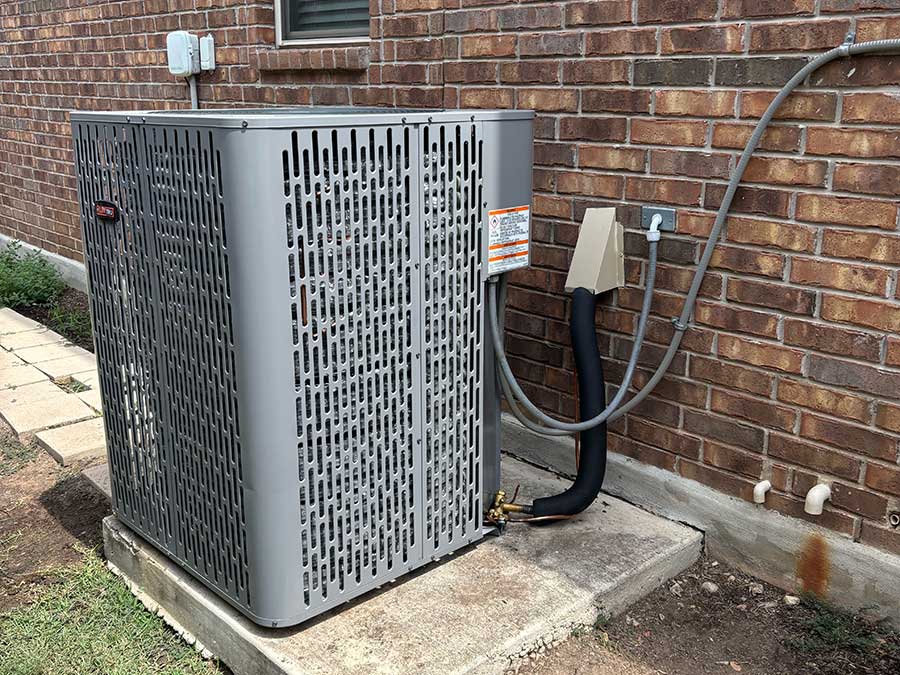
Stone Oak summers are unforgiving. Once temperatures push into the upper nineties and the humidity builds across the northern San Antonio corridor, a struggling AC compressor stops being a minor inconvenience and becomes a genuine problem for household comfort. In our service calls throughout Stone Oak and the surrounding communities, compressor issues are among the most urgent situations we respond to, and in most cases, the warning signs were present well before the system gave out completely. Knowing what to look for gives you the opportunity to act before a developing problem becomes a full failure.
Signs Your AC Compressor Is Struggling
The first signs of compressor trouble are often subtle enough to dismiss. Warm spots in certain rooms, a unit that starts and stops more frequently than usual, or airflow from the vents that feels noticeably weaker than it should are all indicators worth taking seriously. Individually, any one of these might seem minor. Together, or in combination with other symptoms, they paint a clearer picture of a compressor under stress.
Strange smells or unusual vibrations from the outdoor unit are also worth noting, as is a spike in your energy bills without any corresponding change in usage or outdoor temperatures. A compressor that is losing efficiency draws more power trying to maintain output, and that extra effort shows up directly on your utility statement.
Working in homes across Stone Oak, we have found that acting on these early signals consistently leads to better outcomes and lower total costs than waiting for a complete system failure. Our AC repair team can evaluate your system and determine whether the issue is compressor-related or tied to another component, giving you accurate information to make a confident decision.
Unusual Noises Coming From Your AC Unit
Common Noise Indicators
The sounds your AC unit makes during normal operation are easy to tune out, which is why unusual noises tend to go unnoticed longer than they should. A rattling sound often points to loose internal components. A high-pitched squeal typically indicates a problem with the fan or motor. Humming can signal electrical issues, and a banging or clanking noise is frequently associated with a failing compressor or a dislodged internal part.
None of these sounds are normal, and none of them resolve on their own. Each one is a signal that professional evaluation is needed before the underlying issue progresses.
Potential Causes Explained
Understanding what different sounds indicate helps frame the urgency of the situation. Grinding noises are often associated with worn motor bearings, while a high-pitched squeal can point to a slipping belt. Rattling may indicate loose components or debris that has entered the unit. A buzzing sound frequently points to electrical issues or a failing capacitor.
Our AC compressor repair team is equipped to diagnose these sounds accurately and identify whether the source is the compressor itself or a related component. Early diagnosis is almost always more cost-effective than waiting for an audible problem to become a mechanical failure.
Inconsistent Cooling in Your Home
Uneven Temperature Distribution
Homes in Stone Oak’s established neighborhoods, particularly those with larger floor plans or multiple levels, are especially prone to uneven temperature distribution when the AC system begins to falter. Some rooms feel comfortable while others remain stuffy and warm, and no amount of thermostat adjustment seems to fully resolve the imbalance.
This pattern can stem from blocked vents, dirty filters, or ductwork restrictions, but it is also a common symptom of a compressor that is no longer able to maintain consistent refrigerant pressure throughout the system. When the compressor struggles, the entire distribution of conditioned air across the home is affected.
Hot and Cold Spots
Persistent hot and cold spots, particularly in rooms that should be easy to cool, are a reliable indicator that the system is not performing at capacity. Insufficient refrigerant levels resulting from a slow leak are a frequent cause, as is a compressor that is cycling inconsistently. If adjusting the thermostat or running ceiling fans has become a daily routine just to maintain basic comfort, the underlying system issue deserves professional attention.
Frequent Temperature Fluctuations
A system that cannot hold a stable temperature is working harder than it should and likely failing to do so effectively. Key signs to watch for include rooms that never reach the thermostat setting even during extended run times, energy bills that climb alongside reduced comfort, and unusual sounds that accompany the temperature swings.
Consistent AC maintenance is the most reliable way to keep these issues from developing into larger problems. Routine inspections catch the early signs of compressor stress and refrigerant imbalance before they translate into the kind of inconsistent cooling that makes a home uncomfortable.
Increased Energy Bills: What You Should Know
Energy bills that climb without explanation during cooling season are one of the most common reasons Stone Oak homeowners contact us for an evaluation. The connection between a struggling compressor and rising utility costs is direct. When the compressor loses efficiency, it compensates by running longer and drawing more power, and those extended run times show up on your next statement.
The frustrating part is that the system often appears to be working. It is running, the vents are producing air, and the thermostat is set correctly. But if the compressor is not pressurizing the refrigerant effectively, the system is expending energy without delivering proportional cooling.
Understanding how related components affect the situation is also important. A weak capacitor, for example, places additional strain on the compressor at startup and over time accelerates its decline. AC capacitor replacement is a relatively minor service, but leaving a failing capacitor in place can contribute meaningfully to compressor wear. Addressing the full picture rather than individual symptoms is what a thorough professional evaluation provides.
Leaking Refrigerant: A Serious Red Flag
Refrigerant leaks are among the more serious compressor-related issues because their effects compound over time. As refrigerant escapes the system, the compressor has to work harder to maintain pressure, which accelerates wear and increases the risk of overheating. Left unaddressed, a refrigerant leak can shorten the compressor’s operational life significantly.
Signs that a refrigerant leak may be present include unusual sounds as refrigerant escapes under pressure, frost forming on the coils or refrigerant lines, and warm air from the vents despite the system running normally. In our service calls throughout Stone Oak, we find that many homeowners have been managing these symptoms for weeks before realizing the root cause is a refrigerant issue rather than a thermostat or airflow problem.
Addressing a refrigerant leak requires locating and repairing the source before recharging the system. Simply adding refrigerant without fixing the leak is a temporary measure that does not resolve the underlying problem.
Frequent Cycling: Is Your AC Overworking?
Short cycling, where the AC turns on and off in rapid succession rather than completing full cooling cycles, places significant stress on the compressor. Every startup draws a surge of electrical current, and when the system cycles frequently, those surges accumulate into accelerated wear on the compressor and surrounding components.
Short cycling can result from an improperly sized system, blocked air filters, refrigerant imbalance, or a compressor that is struggling to maintain pressure. Whatever the cause, the pattern should be addressed promptly. A system that short cycles will not cool your home effectively, will consume more energy than a properly functioning unit, and will wear out considerably faster than its designed lifespan.
Age of Your AC System: When to Be Concerned
Most residential AC systems have a practical lifespan of 10 to 15 years under normal operating conditions. As a system approaches that range, the compressor and other major components begin to show the effects of cumulative wear. This does not mean replacement is immediately necessary, but it does mean that any of the symptoms described in this article should be evaluated with the system’s age in mind.
An aging system that requires increasingly frequent repairs, delivers inconsistent cooling, or generates rising energy costs without mechanical justification is often approaching the point where continued investment in repairs outpaces the value of keeping the unit running. A professional assessment can help determine whether targeted repair or full system replacement is the more sensible path forward.
Next Steps: What to Do If You Suspect a Problem
If any of the signs described here sound familiar, the most practical first step is to verify the basics. Check that the thermostat is set correctly, confirm that air filters are clean and not restricting airflow, and listen for any sounds from the outdoor unit during operation. If the basics check out but the system is still struggling, turn the unit off to avoid putting additional strain on a potentially compromised compressor.
From there, a call to a qualified HVAC professional is the appropriate next step. An accurate diagnosis, based on a direct inspection of the system, is the only reliable way to determine what is actually happening and what the most cost-effective solution looks like.

Keeping Stone Oak Homes Cool When It Matters Most
Compressor problems rarely resolve on their own, and the longer they go unaddressed, the more they tend to escalate. Acting on early warning signs gives you more options and a better outcome than waiting for a complete system failure during the peak of summer. Contact our team today to schedule an inspection and let our Stone Oak-area technicians assess your system before a manageable issue becomes a costly emergency.