

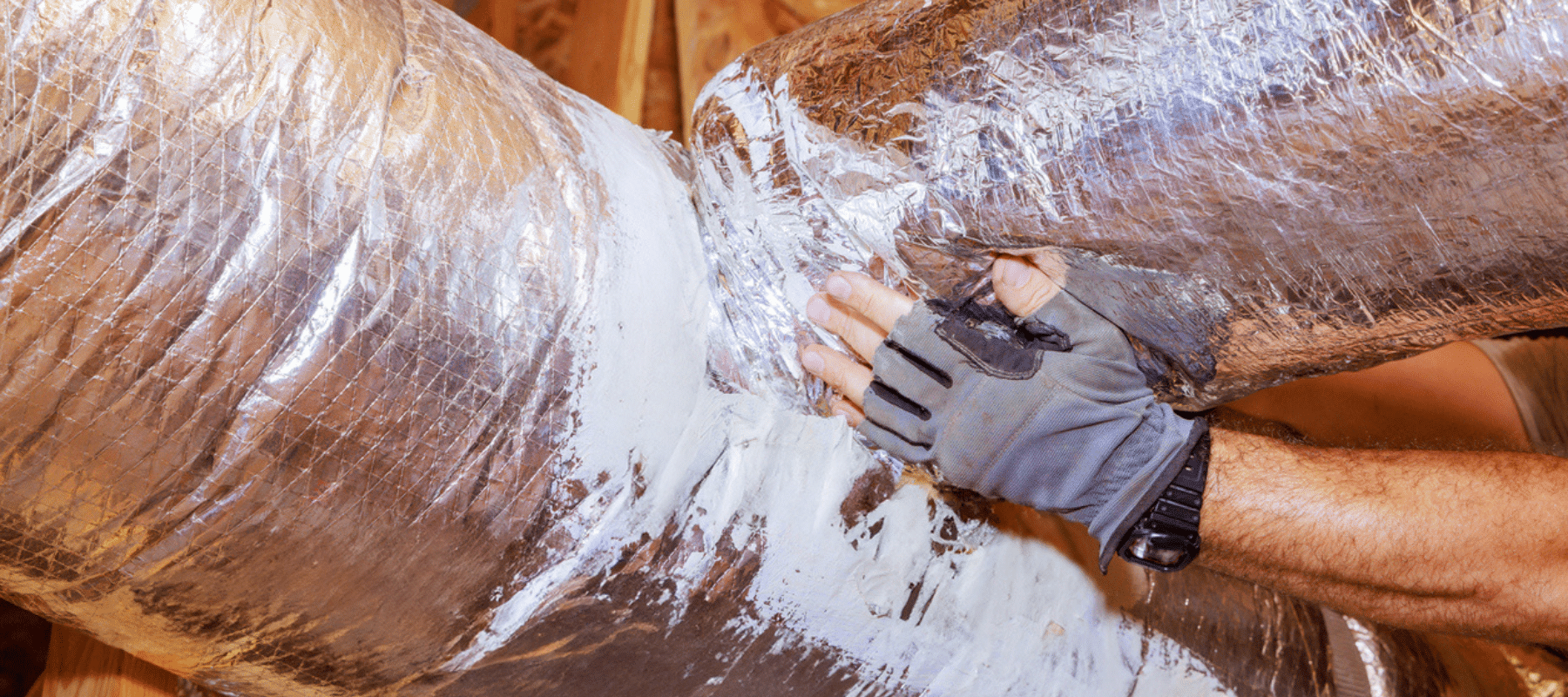
Replacing ductwork becomes the right call when rooms never match the thermostat, energy bills keep climbing, and the air feels dusty no matter how often you clean. Ducts wear out quietly. Most homeowners never think about them until comfort slips.
Key Points
- Most duct systems last 10 to 15 years before efficiency starts dropping off.
- Hot and cold spots between rooms are the most common sign of duct leaks or blockages.
- Leaking ducts let conditioned air escape before it reaches the room, which raises your energy bills.
- Damaged ducts pull pollutants into the system and recirculate them through your home.
- Replacing ductwork improves comfort, lowers system strain, and cleans up the air you breathe.
What Are the Signs You Need to Replace Your Ductwork?
Three signs do most of the telling when you are deciding whether an AC duct replacement is necessary.
- Uneven heating and cooling: As ducts age, they develop leaks or obstructions that keep air from reaching every room. New ductwork clears up the hot and cold spots.
- Increased energy bills: Ducts with leaks or poor insulation let conditioned air escape before it reaches the intended room. Your system runs longer to make up the difference, and you pay for it every month.
- Poor indoor air quality: Old or damaged ducts let pollutants into the system and push them back through your home. If allergies or breathing issues have picked up in your household, your ducts are worth a look.
Ducts that no longer move air efficiently cost you comfort and money at the same time. Replacing ductwork resets both.
How Often Should Ductwork Be Replaced?
Most duct systems are designed to last between 10 to 15 years. After that point, they lose efficiency and start developing leaks. Regular AC maintenance and timely repairs stretch that lifespan, but every duct system reaches the end of it eventually.
Most homeowners only face replacing ductwork once. Timing it before a system upgrade keeps you from paying to push conditioned air through worn ducts.
What Do You Gain by Replacing Ductwork?
Replacing ductwork feels like a big step. The payoff shows up in three places: comfort, efficiency, and the air inside your home.
Even Temperatures in Every Room
Old, leaky ducts make it hard for your system to hold a steady temperature through the house. Replace them and every room gets the right amount of conditioned air, so the back bedroom stops running warmer than the living room.
Less Strain on Your HVAC System
Ducts with leaks or poor insulation let conditioned air escape before it reaches the room, so your system burns more energy holding the same temperature. New ducts put that energy back into your home instead of losing it on the way. ENERGY STAR explains how duct leaks drain efficiency in forced-air systems.
Cleaner Air Inside Your Home
New, properly sealed ducts cut down the contaminants moving through your home. Fewer contaminants in the ducts means fewer in the air your family breathes. Pair new ducts with indoor air quality solutions and regular AC air filter replacement to keep it that way.
Ready to Replace Your Ductwork?
Thayer Air Conditioning is family owned, and we approach HVAC ductwork installation the way we approach every job. We tell you what we find, explain what can wait, and back the work with a strong guarantee. No upsells that do not make sense.
If your rooms never feel even or your bills keep climbing, have your ducts assessed before the next season turns. Contact our team today and we will tell you honestly whether replacing ductwork is the right move or whether a repair will carry you further.