

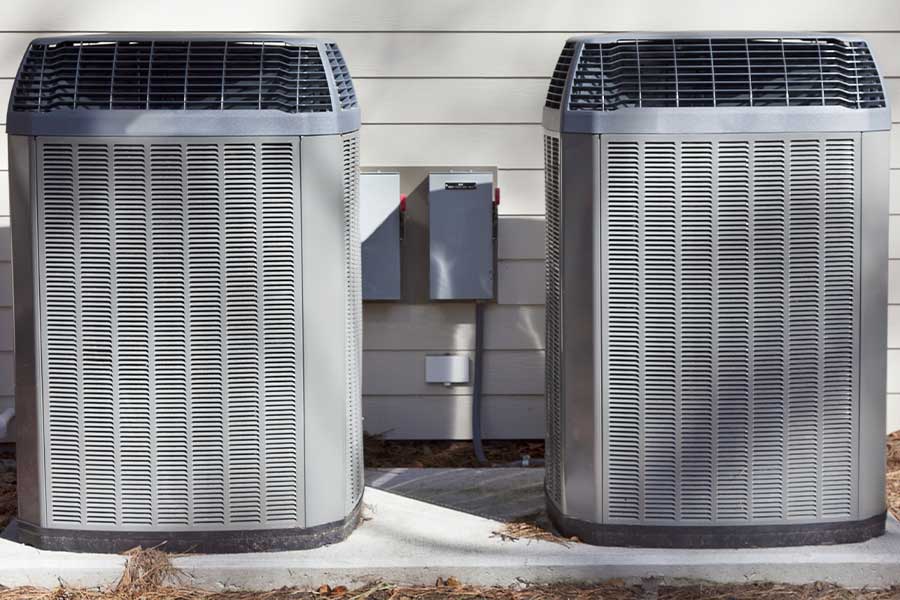
To keep a heat pump running well through winter in San Marcos, TX, do four things: change the air filter on a regular schedule, keep leaves, dirt, and debris cleared away from the outdoor unit, confirm the thermostat is reading and holding the temperature you set, and book a professional tune-up before the first cold front. Those habits protect efficiency and catch small faults while they are still small. Anything that involves refrigerant, electrical components, or the compressor is technician work, not homeowner work.
How Your Heat Pump Works: A Simple Guide
A heat pump moves heat rather than creating it, and that single difference explains almost everything about how it behaves. In winter, it pulls warmth out of the outdoor air and delivers it inside. In summer, it reverses, pushing heat from your house back outdoors.
Refrigerant does the work. It circulates through indoor and outdoor coils, absorbing heat in one place and releasing it in another, while the compressor keeps that cycle moving. When you set the thermostat, the system runs until the indoor temperature matches it.
Because one system carries the load in both seasons, a heat pump in San Marcos, TX, runs far more hours a year than a furnace in a colder climate would. That is why the basics matter here: dirty coils, a restricted filter, or a low refrigerant charge all force the equipment to work harder for the same comfort. We handle professional coil cleaning as part of that upkeep, so heat transfer stays strong and the compressor is not fighting a layer of grime to do its job.
What Are the Signs Your Heat Pump Needs Professional Help?
A heat pump usually warns you before it fails, and the signs are easy to spot once you know what to watch for. If you notice any of the following, the system is telling you something is wrong internally, and continuing to run it tends to turn a small repair into a large one.
- Unusual noises: Clanking, buzzing, or grinding points to a mechanical problem in the fan, motor, or compressor.
- Increased energy bills: A jump in cost with no change in how you use the system means the equipment is running longer to deliver the same heat.
- Frost or ice buildup: Ice that does not clear after a defrost cycle often signals low refrigerant or an airflow restriction.
- Weak airflow: Air that feels thin at the registers usually traces to a dirty filter, a duct problem, or a struggling blower.
- Frequent cycling: A system that starts and stops rapidly is failing to hold the temperature you asked for, and that pattern wears the compressor.
Catching these early is the difference between a service call and a replacement. Regular attention keeps compressor problems from developing quietly over a full season of runtime.
Winter Maintenance Tips for Your Heat Pump
Winter prep for a heat pump comes down to five tasks, four of which you can handle yourself. Doing them before the first cold front is what keeps the system dependable when you actually need it.
Start outside. Clear leaves, dirt, and debris from around the outdoor unit and give it a couple of feet of open space on all sides. In San Marcos, that means the fall leaf drop, the dust that blows in off dry stretches, and the grass clippings and mulch that pile up against the cabinet after yard work.
Next, check and replace the air filter. Every 1 to 3 months is the typical interval, and it is the single cheapest way to protect airflow. Older homes near the San Marcos River and the rental homes around Texas State University often need the shorter interval, since higher occupancy and older ductwork both push more dust through the system.
Then look at the ductwork. Leaks and disconnected sections dump heated air into attics and crawlspaces, so sealing them improves both comfort and cost. If some rooms never warm up while others do, the ducts are usually part of the story.
Also, confirm the thermostat is accurate. Set it, wait, and see whether the room actually reaches that temperature. A thermostat reading several degrees off will run the system too long or shut it down too early.
Finally, book a professional tune-up before the season turns. That visit is when a technician checks refrigerant charge, tests the defrost cycle, measures electrical draw, and inspects the reversing valve, and none of those are homeowner checks. Working with neighbors throughout San Marcos, we schedule heat pump maintenance visits ahead of the cold snaps so problems surface on a calm weekday instead of a freezing night.
Easy Ways to Boost Your Heat Pump’s Energy Efficiency
Most efficiency gains come from airflow, sealing, and controls rather than from new equipment. The list below is where to start, and every item on it either reduces how hard the system works or shortens how long it has to run.
- Clean or replace filters on schedule so the blower is not fighting a restriction.
- Keep leaves, dirt, and debris clear of the outdoor unit so it can exchange heat freely.
- Seal duct leaks so the air you paid to heat reaches the rooms you live in.
- Use setback schedules instead of large manual swings, since heat pumps run most efficiently holding a steady temperature.
- Keep supply and return vents open and unblocked in every room.
- Schedule routine service so refrigerant charge and airflow stay where the manufacturer intended.
Controls are the piece homeowners most often overlook. A worn or poorly placed thermostat misreads the room and runs the system on bad information, and professional thermostat installation puts an accurate control in the right spot, so your setback schedule actually saves what it should.
What to Do When Your Heat Pump Needs Repairs
When a heat pump acts up, check the simple things first, then hand it off. Confirm the thermostat is set correctly and reading normally, verify the breaker has not tripped, and look at the air filter, because a clogged filter causes symptoms that look like a major failure.
If the system still underperforms after those checks, stop there. Noises, ice that will not clear, weak heat, and short cycling all point to refrigerant, electrical, or compressor issues that need instruments and training to diagnose safely.
Small problems rarely stay small in a system that runs year-round here. A slightly low charge or a struggling capacitor quietly raises your bills for months before it becomes a no-heat call, so prompt diagnosis costs less than waiting.
We test the whole system before recommending anything, then explain what we found and what it will take to fix it. Our hands-on heat pump repair covers refrigerant faults, defrost and reversing valve problems, electrical failures, and airflow issues, so you get one visit that addresses the cause instead of a series of guesses.
Frequently Asked Questions
How often should a heat pump be serviced in San Marcos, TX?
Twice a year is the standard recommendation for a heat pump, because it both heats and cools. One visit before the cooling season and one before the first cold front keeps the system tested for the work ahead. Homes along the IH-35 corridor and near Texas State that run their systems hard benefit most from holding that schedule.
Why is my heat pump blowing cool air in winter?
Some cool air is normal during a defrost cycle, when the system briefly reverses to melt frost off the outdoor coil. It is not normal if the air stays cool through a full heating cycle, which usually means low refrigerant, a stuck reversing valve, or a defrost control problem. Check the filter and thermostat, then call for service.
Is ice on the outdoor unit a problem?
A light frost that clears on its own is expected. Ice that keeps building, encases the coil, or returns right after a defrost cycle is a real fault, most often low refrigerant charge or restricted airflow. Turn the system off and call a technician rather than chipping at the ice, since the coil damages easily.
Do I need to cover my heat pump for winter?
No. A heat pump needs unrestricted airflow to pull heat from outdoor air, and covering the unit blocks that and can trap moisture against the cabinet. Keep the top and sides clear of leaves, dirt, and debris instead, and leave a couple of feet of open space around it.
Keeping Your San Marcos Home Comfortable All Winter
A heat pump that gets consistent attention holds its efficiency and avoids breakdowns that were preventable all along. Filters, a clear outdoor unit, sealed ducts, an accurate thermostat, and a tune-up before the season are the whole list.
Winters here are short, but the cold snaps are real, and a system that ran all summer deserves a look before it carries the heating load too. Handle the four homeowner tasks, and leave refrigerant, electrical, and compressor work to a technician.
If you would rather have a professional confirm the system is ready, schedule your appointment today and we will check it before the next front moves through. Always Thayer For You.